
THE PROOF ENGINE
Summary judgment is decided element by element.So is LITIGATER.
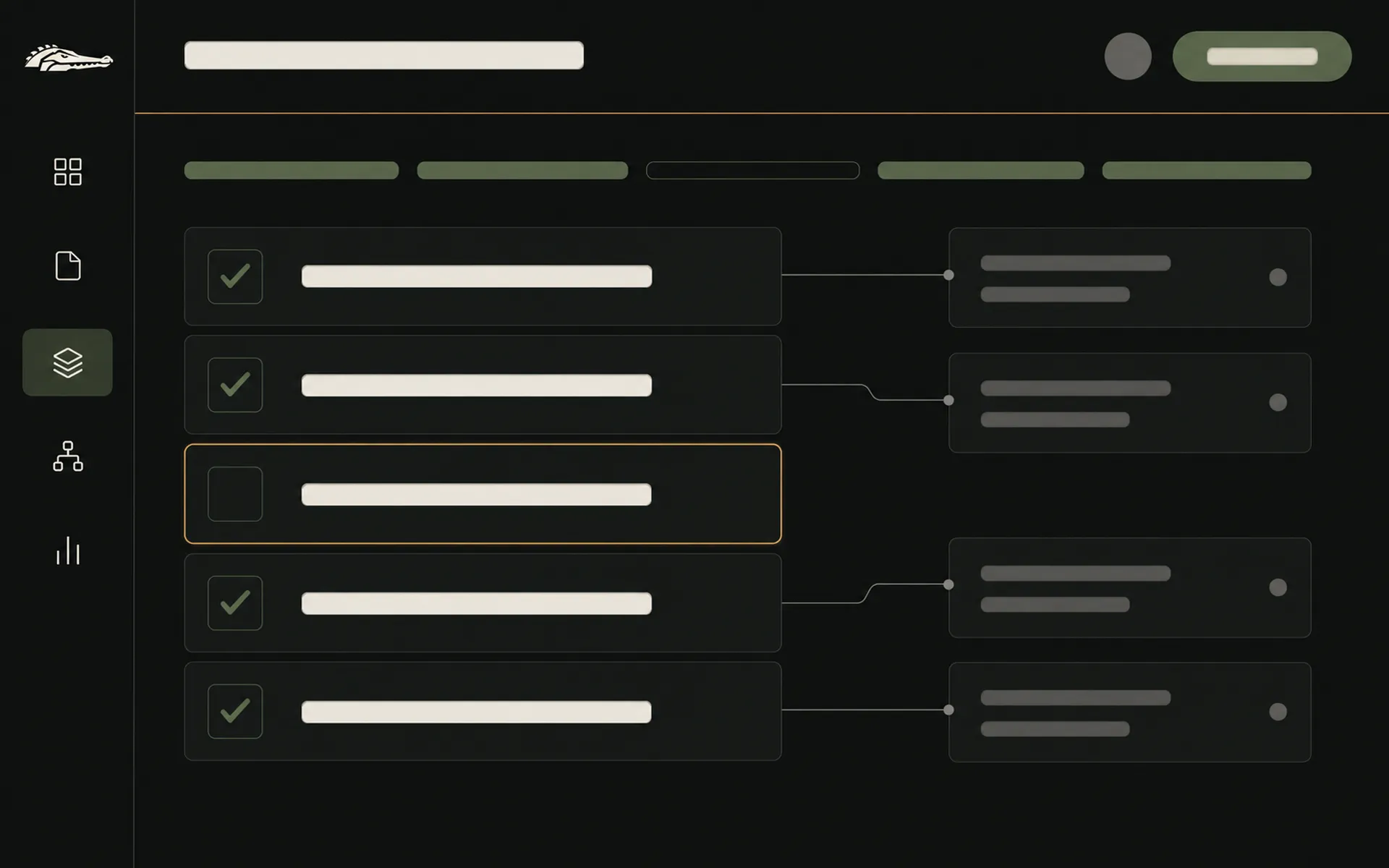
The Proof Engine breaks every claim and defense into its legal elements, maps each element to the facts that carry it, and shows you, in one strip, what's carried, what's contested, and what's still empty.
Element libraries, by jurisdiction
Start from pattern jury instructions and model elements for your causes of action, built jurisdiction by jurisdiction. Edit them the way you would edit an outline: add an element unique to your theory, cut one that does not apply. The mapping between element and fact stays intact underneath every edit.
Facts that carry their citations
Every fact you place is linked to its source: the exhibit, the page, the line. When you assert it in a motion, the citation travels with it. When opposing counsel asks "where," you point, and the record backs you up.
The verdict strip
One horizontal answer to the only question that matters: can you carry your burden today, at summary judgment or in front of a jury? Carried, contested, or empty, updated the moment a new fact lands or a citation gets challenged.
Everything else in LITIGATER exists to fill this strip. Discovery drafts target the empty elements. Deposition outlines chase the contested ones. The ledger guards the carried ones.
What it doesn't do
The Proof Engine doesn't decide what a jury will believe, and it doesn't weigh a witness's credibility. It shows you what the record supports today, and where it's thin. Judgment is still the job, and still yours.
Under the verdict strip
The Proof Engine starts from two inputs: a jurisdiction's pattern jury instructions and model elements for your causes of action, and the facts you or your team place from documents already in the sealed record. Every fact you place carries the citation it came from, down to the exhibit number, the page, and the line.
What comes out is the verdict strip itself: each element marked carried, contested, or empty, with a running account of what a contested or empty element still needs to move a column over. Which facts to place, which theory to run, and how hard to push a contested element are calls the software never makes. Those stay with the attorney of record.
The one limit worth stating plainly: the strip tracks what the record supports, not what a factfinder will believe. An element can show carried and still lose in front of a jury that simply does not buy it. That risk does not disappear. The Proof Engine just stops letting it hide.